Spring Cleaning Outdoors: A Checklist for Melbourne Homes
When spring arrives in Melbourne, usually from September through November, it brings warmer days, more sunlight and a good reason to look at the outside of your home. After months of cold, wind and rain, gutters, decks, paths, fences and gardens often need attention. Melbourne's changeable weather, sometimes described as four seasons in one day, means outdoor surfaces face moisture, leaf litter, mould and debris for much of the year. This checklist covers the main areas to tackle so your property is ready for the warmer months and for the bushfire season that follows.
Why Spring Is the Right Time for Outdoor Cleaning
Spring is a good window for outdoor maintenance. Temperatures are mild, rainfall is still common enough to keep water restrictions off the agenda, and plants are entering their main growth phase. Cleaning now also helps you find problems early, such as damaged roofing, rotting timber or blocked drainage, before summer heat and storms make them worse.
Melbourne homeowners should also remember that the fire danger period in many parts of Victoria typically begins in late spring or early summer. Clearing dry material from around the home is a practical part of spring cleaning, particularly in outer suburbs and areas close to bushland, parks or reserves.
Start With the Roof and Gutters
Clear Gutters and Downpipes
Autumn leaves, gum nuts, bark and twigs often sit in gutters through winter. Blocked gutters can overflow, damage fascia boards, allow water into the roof cavity and create a fire risk if dry debris builds up. Clear the gutters by hand or with a gutter scoop, then flush them with a hose to confirm that water flows freely to the downpipes. Check that the downpipes themselves are not blocked and that stormwater drains at ground level are clear.
If your roof is steep, multi-storey or difficult to access, hiring a professional is safer than climbing a ladder yourself. Falls from ladders are a common cause of household injuries in Australia.
Inspect the Roof
From the ground, or with binoculars, look for cracked or slipped tiles, rusted sheeting, loose ridge capping and moss or lichen growth. Melbourne's damp winters encourage moss on terracotta and concrete tiles, especially on south-facing slopes. Moss can lift tiles and trap moisture, so it is worth addressing through professional roof cleaning or treatment where needed.
Wash Exterior Walls, Windows and Eaves
Dust, cobwebs, mould and pollution film build up on external surfaces over winter. Spring is a good time to wash them down.
- Walls and cladding: Use a soft brush and a mild detergent solution for weatherboard, rendered surfaces and painted brick. High-pressure washing can damage paint, render and mortar, so use a lower pressure setting and test a small area first.
- Windows and frames: Wash glass, frames and sills, and check seals for gaps or cracking. Clean tracks on sliding doors so they run smoothly.
- Eaves and light fittings: Remove cobwebs and wasp or spider nests with a long-handled brush. Wipe down outdoor light fixtures and check that they work.
- Flyscreens: Remove, brush and rinse screens, and repair any holes before mosquitoes and flies become active.
- Letterbox and house numbers: Clean and tidy these so your home is easy to identify and welcoming to visitors.
Restore Decks, Patios and Outdoor Living Areas
Timber Decks
Timber decks in Melbourne are exposed to rain, shade and temperature swings, which can lead to slippery algae, grey weathering and splintering. Sweep away debris, scrub with a deck cleaner or a diluted oxygen-based cleaner, and rinse thoroughly. Once the timber has dried, check for loose boards, protruding nails and soft spots. Reapply oil, stain or sealant as needed, following the manufacturer's directions and choosing a dry spell with mild temperatures.
Concrete, Pavers and Paths
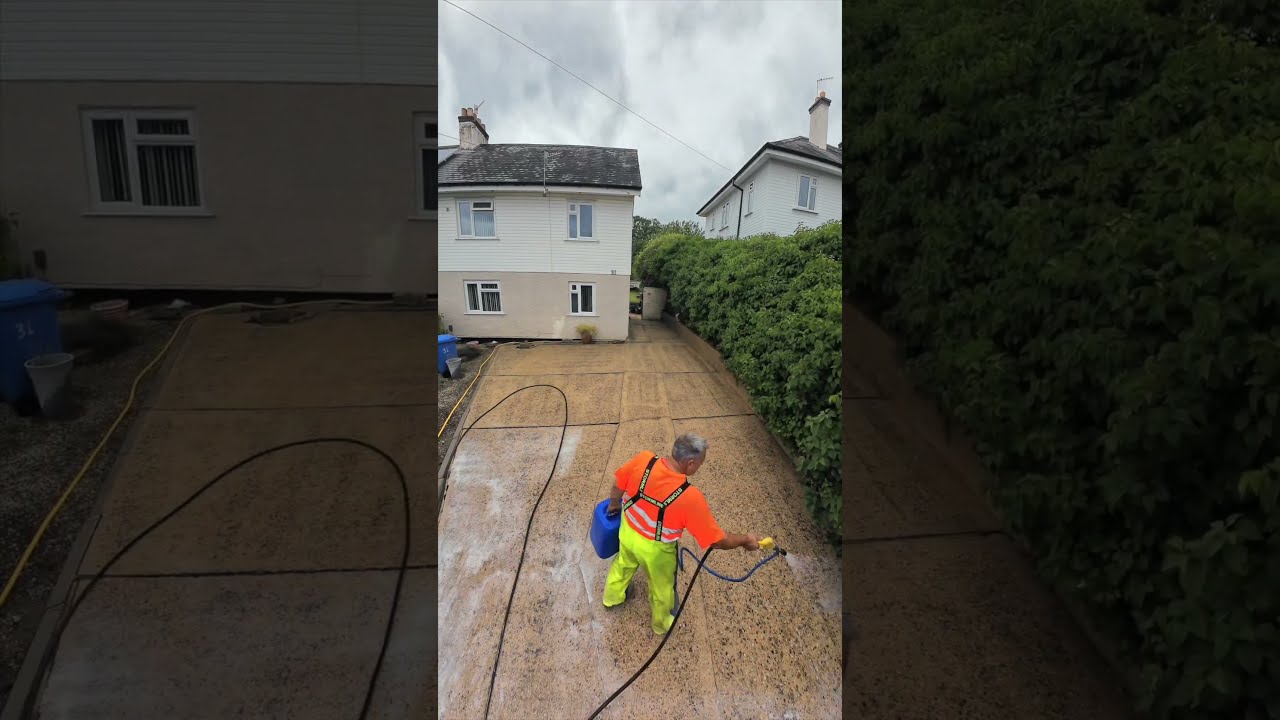
Concrete driveways, paved patios and garden paths can develop moss, lichen, oil stains and slippery patches. A stiff broom, a suitable cleaner and a pressure washer on a moderate setting will usually lift most grime. Pay attention to shaded areas near fences and downpipes, which stay damp for longer. If you plan to reseal pavers, make sure they are fully dry first and clear weeds from the joints before refilling with sand.
Outdoor Furniture and Barbecues
Wipe down outdoor tables and chairs with warm soapy water. Clean fabric cushions according to their care label and allow them to dry fully in the sun to prevent mildew. For barbecues, burn off residue, scrub the grates, empty the grease tray and check gas hoses and connections for cracks or leaks. A simple soapy water test on gas connections will show leaks as bubbles.
Tidy the Garden and Lawn
Spring growth in Melbourne is rapid, so early garden work saves effort later.
- Remove dead material: Cut back dead branches, spent winter plants and damaged growth. Compost green waste where possible, or use your council's green waste bin.
- Weed early: Pull weeds before they set seed. Mulching garden beds with 5 to 7 centimetres of organic mulch helps suppress weeds and retain soil moisture.
- Prune appropriately: Prune winter-flowering shrubs after they finish blooming. Trim overhanging branches away from roofs, power lines and walls.
- Revive the lawn: Rake out thatch, aerate compacted areas, overseed bare patches and apply a slow-release spring fertiliser suited to your grass type.
- Check irrigation: Test sprinklers and drip lines, replace broken heads and clean filters. Consider a timer or smart controller to water efficiently.
- Edge and tidy borders: Define lawn edges and garden beds for a neat finish.
Check Fences, Gates and Sheds
Inspect timber and metal fences for rot, rust, leaning posts and loose palings. Tighten hinges, oil gate latches and replace damaged sections early. Clean and, if needed, repaint or stain fences to protect them against moisture. Where a fence is shared with a neighbour, Victorian law under the Fences Act 1968 sets out how responsibilities and costs are typically shared, so talk to your neighbour before major repairs or replacement.
In the shed or garage, sort through tools, throw out old chemicals responsibly, and store fuels and paints safely. Many Melbourne councils and Sustainability Victoria programs provide guidance on disposing of household chemicals, paint, batteries and gas bottles, so check local collection options rather than placing them in general waste.
Prepare for Bushfire Season and Pests
Spring is the time to reduce fire hazards. The CFA recommends clearing leaves and bark from gutters, roofs and around the base of the house, removing dry grass, keeping woodpiles and gas bottles away from buildings, and trimming trees so branches do not touch the roof. Homes in or near bushfire-prone areas should also review their Bushfire Survival Plan.
Warm weather also brings pests. Remove standing water from pot plant saucers, buckets and clogged drains to limit mosquito breeding. Seal gaps around the base of the house and check subfloor vents for signs of termites or rodents. If you notice mud tubes, damaged timber or unexplained droppings, arrange a licensed pest inspection.
Water Use and Environmental Considerations
Melbourne households are generally encouraged to use water wisely, even when permanent restrictions are not in place. Use a bucket or a pressure washer with a water-efficient nozzle rather than a free-running hose. Direct wash water away from stormwater drains where possible, since detergents and debris can end up in local creeks and Port Phillip Bay. Choose biodegradable cleaners, and avoid washing chemicals, paint residue or concrete slurry into the street.
When to Call a Professional
Many spring cleaning jobs are manageable for confident homeowners, but some are best handled by trained, insured tradespeople. Consider professional help for:
- Roof cleaning, repairs or work at height
- Large-scale pressure washing of driveways, render or two-storey exteriors
- Tree removal or pruning near power lines
- Gutter replacement or repair
- Pest inspections and treatments
- Waste removal for bulky items and green waste
When hiring, ask for a written quote, confirm public liability insurance and check any relevant licences or registrations. Reputable providers will explain the methods and products they use and the way they protect your property and garden.
A Simple Spring Schedule
Spreading tasks over several weekends makes the work more manageable. Start with the roof, gutters and downpipes, since they affect everything below them. Move on to walls, windows and outdoor living areas, then finish with the garden, lawn and fences. Because Melbourne spring weather can shift quickly, keep a flexible plan and check the forecast before applying sealants, paint or fertiliser.

A thorough https://emiliobgam339.halcyonledger.com/posts/why-high-pressure-isn-x27-t-always-the-best-way-to-clean outdoor clean in spring protects your home's structure, improves its appearance and helps you enjoy the garden through summer. Working through this checklist now will reduce repair costs, lower fire and pest risks, and leave your Melbourne property in good shape well into 2027 and beyond.
Melbourne Pressure Cleaning Pros
(03) 8007 3103